Exhaust Hood Cleaning Schedule Tips
Exhaust hood cleanings are essential for maintaining safety, efficiency, and compliance in commercial kitchens. The optimal timing depends on usage frequency, type of cooking, and regulatory requirements. Regular cleaning prevents grease buildup, reduces fire hazards, and ensures proper airflow. Many facilities schedule cleanings quarterly or biannually, but high-volume operations may need monthly maintenance.
Heavy-use kitchens should schedule exhaust hood cleanings at least once a month to prevent grease accumulation and ensure safety.
Local fire codes and safety regulations often mandate regular cleaning intervals, typically every 3 to 6 months.
Visible grease buildup, smoke odors, or reduced airflow suggest the need for an immediate cleaning outside scheduled intervals.
Cooking methods like frying produce more grease, necessitating more frequent cleanings compared to baking or boiling.
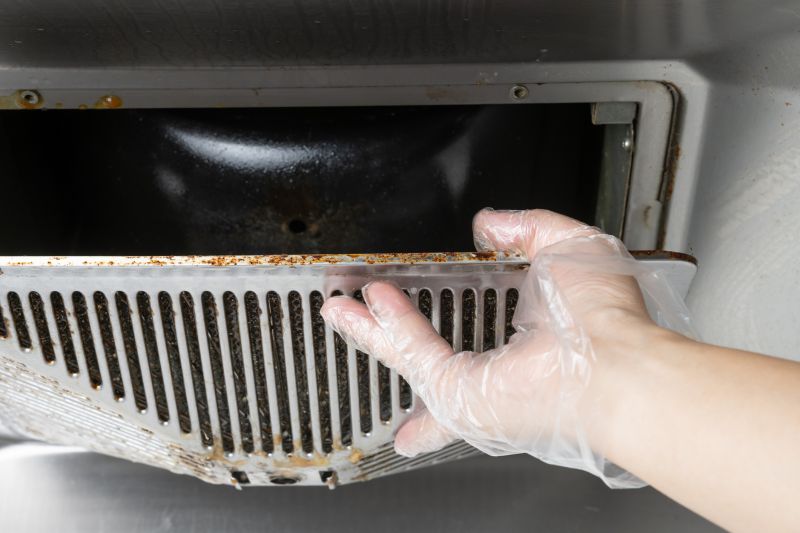
Regular inspections help identify grease buildup early and determine cleaning schedules.
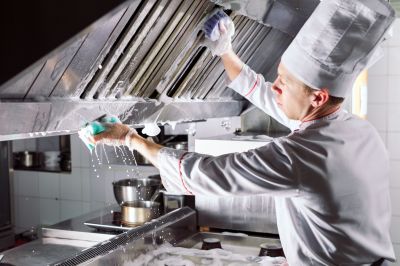
Professional cleaning removes grease and debris, reducing fire risk and improving airflow.

Specialized brushes, degreasers, and vacuums ensure thorough cleaning of exhaust hoods and ducts.
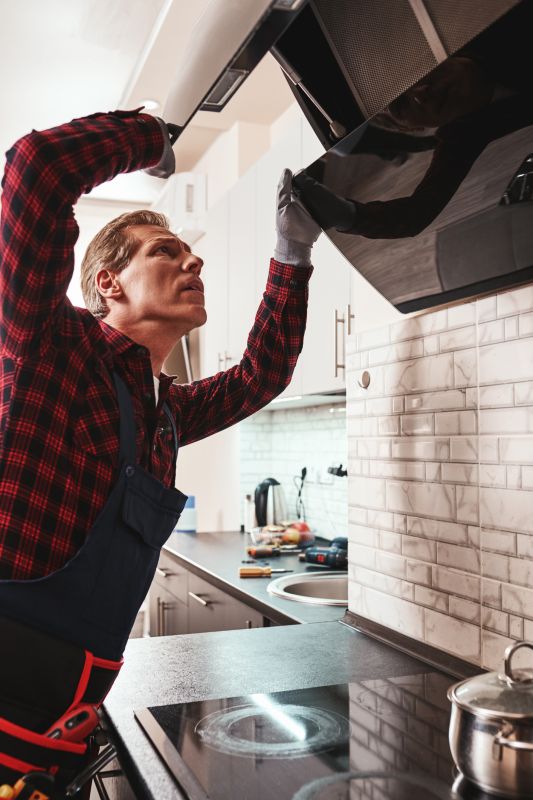
Ways to make Exhaust Hood Cleanings work in tight or awkward layouts.
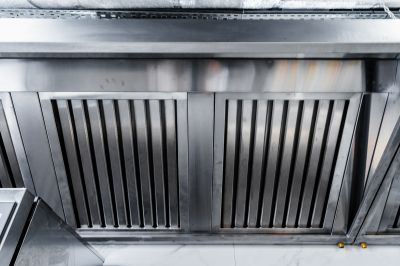
Popular materials for Exhaust Hood Cleanings and why they hold up over time.
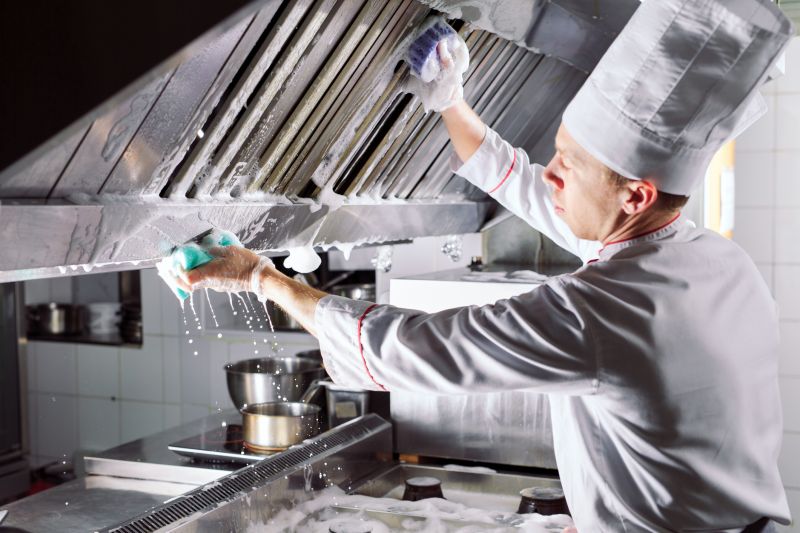
Simple add-ons that improve Exhaust Hood Cleanings without blowing the budget.
| Usage Frequency | Recommended Cleaning Interval |
|---|---|
| Low (occasional use) | Every 6-12 months |
| Moderate (regular use) | Every 3-6 months |
| High (daily use, heavy frying) | Monthly or bi-monthly |
| High-volume commercial kitchens | Monthly |
| After grease-related incidents | Immediately |
Exhaust hood cleanings are a critical component of kitchen safety and operational efficiency. Grease buildup not only poses fire hazards but can also impair ventilation, leading to increased energy costs and poor air quality. Regular maintenance helps comply with safety standards and prolongs the lifespan of ventilation systems. Studies indicate that kitchens with consistent cleaning schedules experience fewer fire incidents and improved airflow performance.
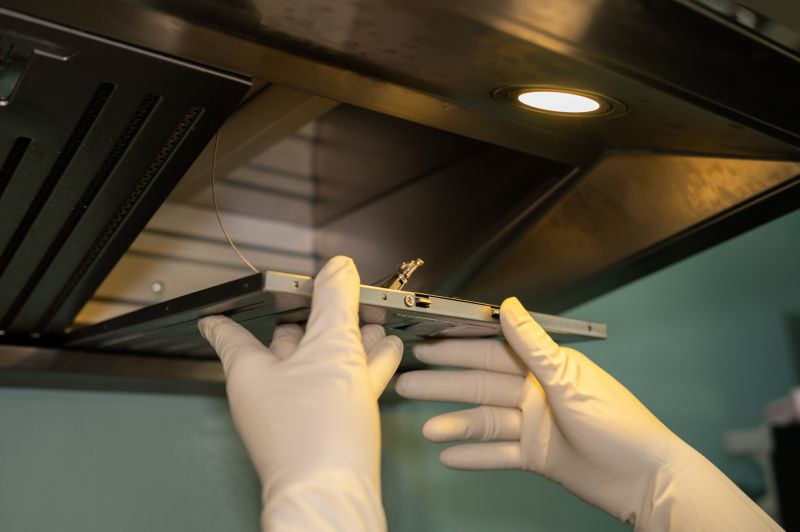
Accumulated grease can be a fire hazard if not cleaned regularly.
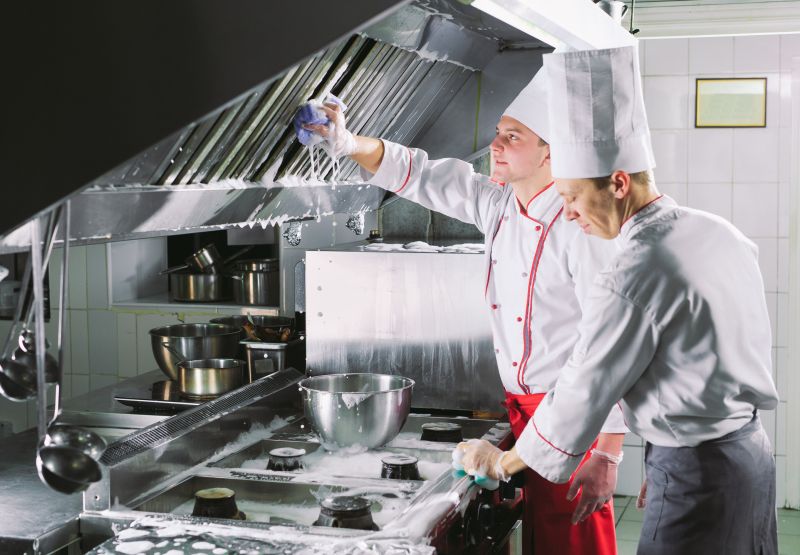
Proper tools and techniques ensure effective removal of grease and debris.
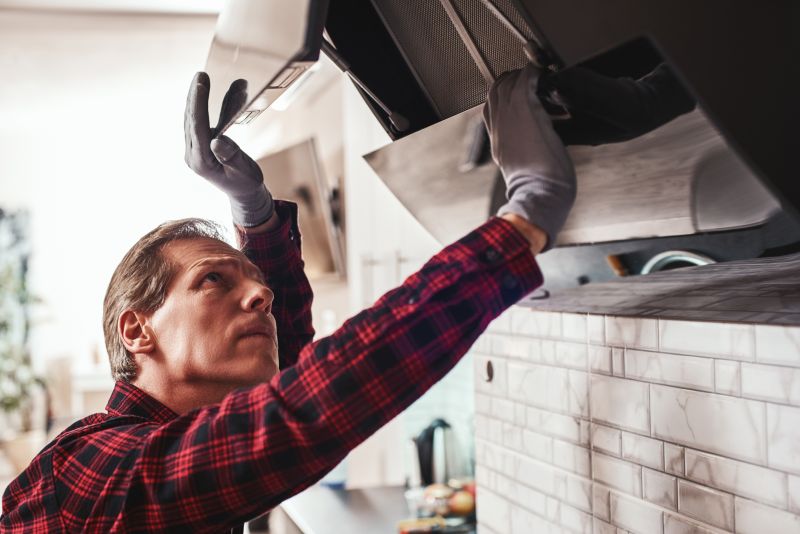
Visual evidence of the effectiveness of professional cleaning services.

Maintaining clear ducts and hoods optimizes kitchen safety and efficiency.
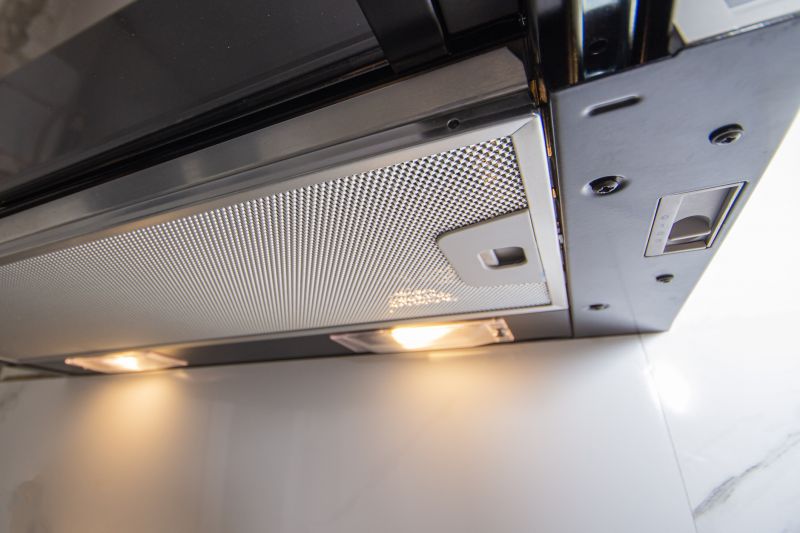
High-end options that actually feel worth it for Exhaust Hood Cleanings.
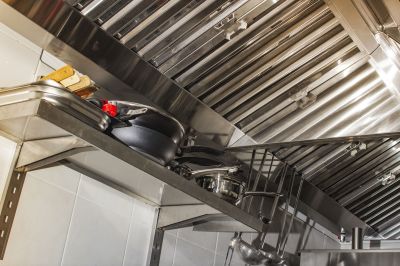
Finishes and colors that play nicely with Exhaust Hood Cleanings.
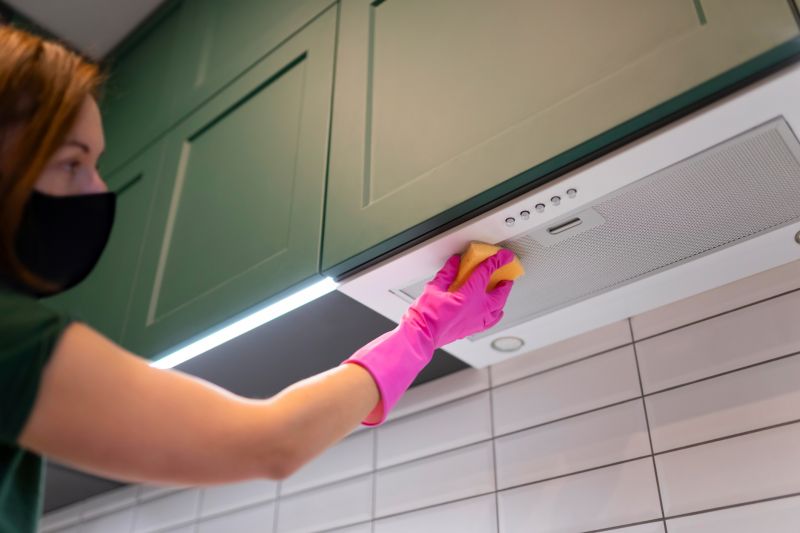
Little measurements that prevent headaches on Exhaust Hood Cleanings day.
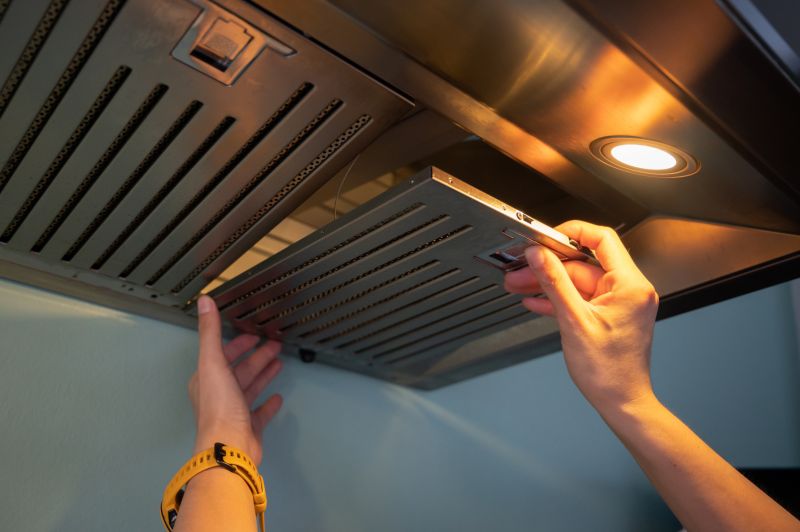
A 60-second routine that keeps Exhaust Hood Cleanings looking new.
Scheduling exhaust hood cleanings at appropriate intervals is vital for safety, compliance, and operational efficiency. Regular inspections and cleaning help prevent fire hazards, ensure proper airflow, and maintain a clean working environment. Facilities should assess their usage patterns and adhere to local regulations to determine the optimal cleaning schedule. For ongoing safety and efficiency, consider professional services that specialize in exhaust hood maintenance.